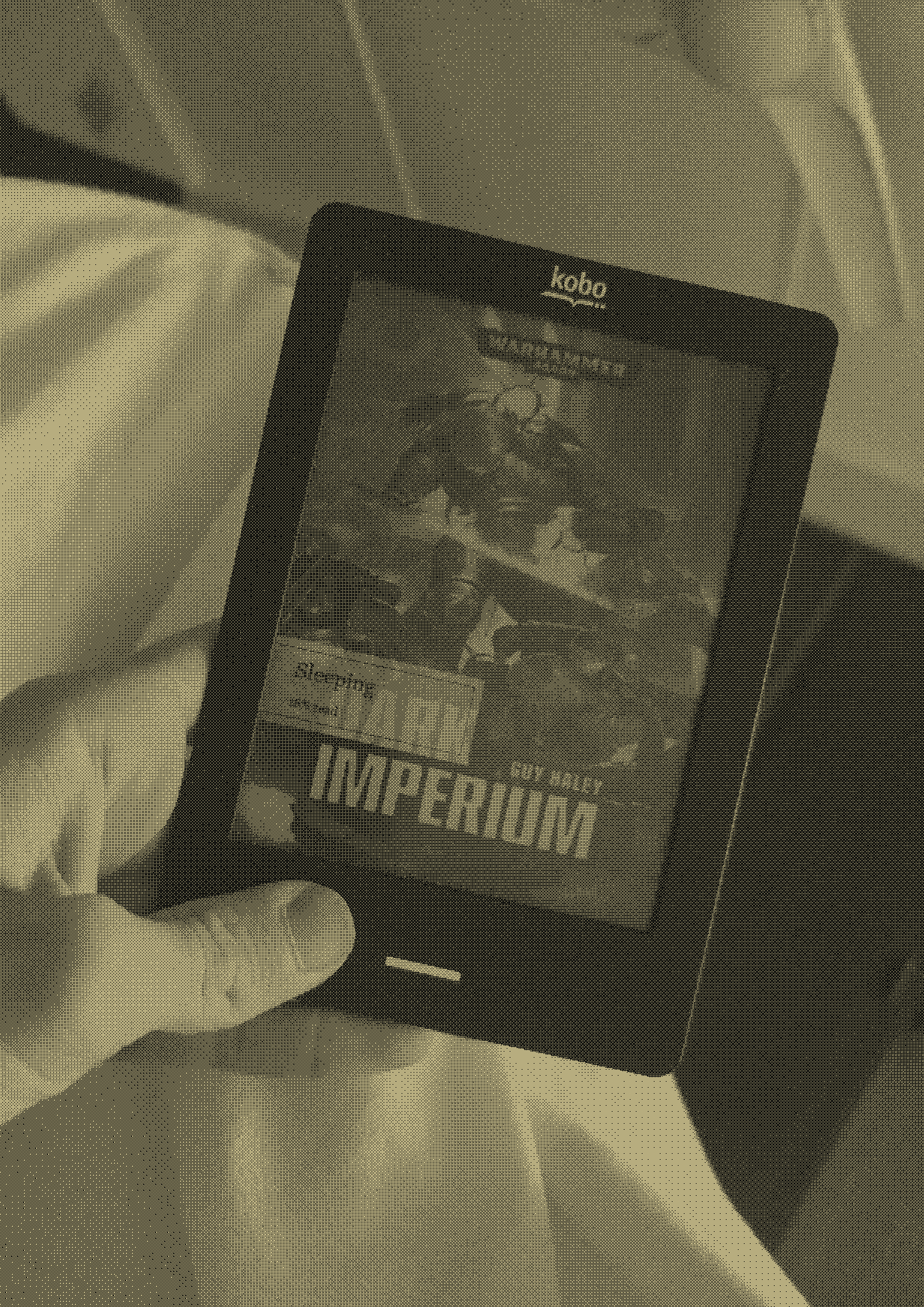
The same Kobo, photographed in Richards Bay on 10 August 2026. Photograph №0002.
I bought the Kobo second-hand in 2016 for R350.
It was already somebody else’s old technology.
Ten years later, it remains in service.
That makes it interesting.
The wrong measure of technology
Consumer technology is normally discussed in terms of what has changed.
A faster processor. A brighter display. Another feature. Another generation.
There is another measurement which receives rather less attention:
Did the old thing stop doing its job?
In this case, no.
The Kobo’s purpose is remarkably modest. It stores books and presents their pages on an electronic-ink display.
In 2016 it could do that.
In 2026 it can still do that.
R350
I paid R350 for it second-hand.
Spread across ten years, that purchase has cost me less than R3 per month of ownership.
That calculation is almost silly, but it illustrates something useful.
The cheapest object is not necessarily the one with the lowest purchase price. Nor is the most economical object necessarily the newest.
Useful life matters.
Old, not useless
The Kobo is visibly old technology.
That is different from being obsolete.
Its battery is older. Its interface belongs to another period. New readers are faster, sharper and more capable.
None of those facts prevents this one from displaying a book.
On 10 August 2026 it happened to be displaying Dark Imperium.
Ten years after I bought the machine, I was still reading from it.
That is a considerably better product review than anything I could have written in 2016.
A small argument for keeping things
There is no virtue in keeping a bad tool merely because it is old.
There is equally little sense in replacing a good tool merely because it is old.
Use it.
Maintain it.
Repair it when that is sensible.
Replace it when it no longer performs the work required of it.
Until then, perhaps the old thing has earned the right to remain.